Tonal Go was a group project, developed in a team of four, as part of the ‘Industrial Design Engineering’ module, part of the Design Engineering (MEng) course at Imperial College London. Tonal were not engaged in any consultancy or collaborative capacity with this project and the outcome is in no way endorsed by them. Any publicity is limited to personal and academic use.
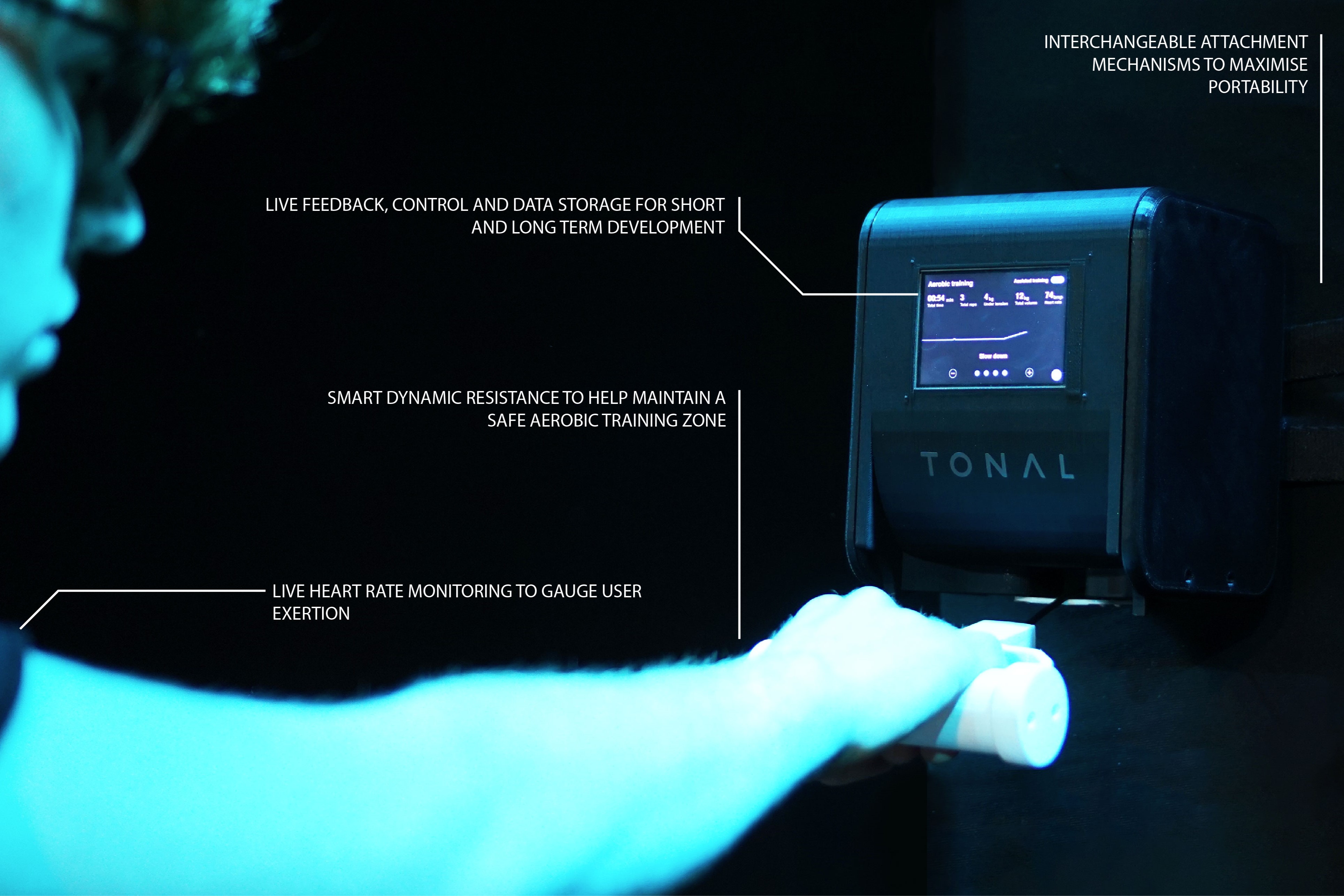
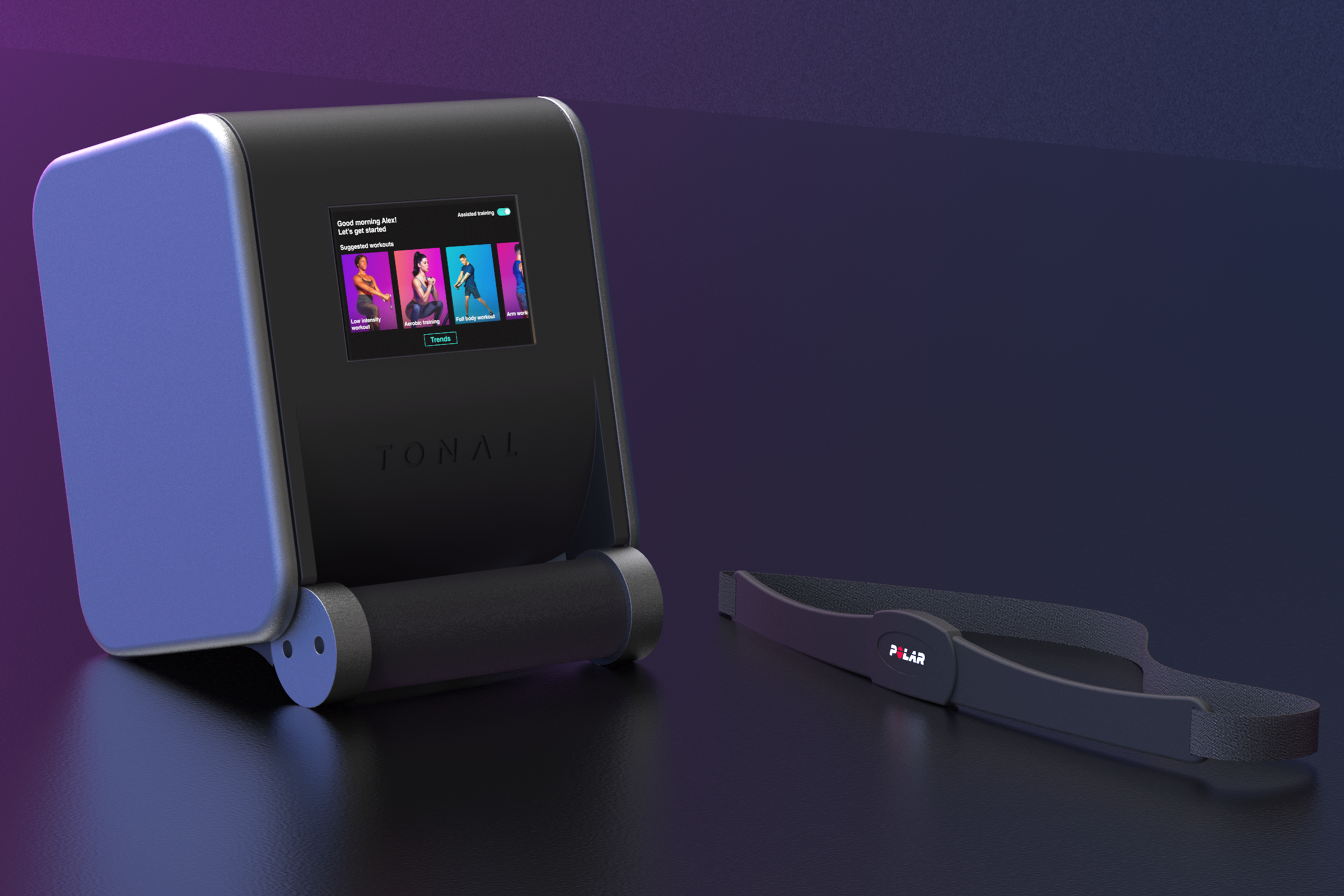
Tonal Go is a revolutionary smart resistance training device which allows people with neuromuscular disorders to do exercise safely and independently in their home, without the need for a personal trainer and at times which suit them, while taking extreme care to avoid over exerting and manage their daily energy levels.
The product is a portable cable trainer. It features dynamic resistance that adjusts, live, when users are over exerting, to reduce their energy use. Exertion is measured with the users heart rate. Tonal Go features a built-in screen, which guides users through exercises tailor made for neuromuscular disorders, or those prescribed by their physiotherapist.
Muscle activity data is saved on an accompanying app for short and long term energy and symptom management. This data can be shared with healthcare professionals, and could be essential for continual symptom management.
Development process
User research
Initially, desk research and a contextual Enquiry was conducted to ensure te experience and pain points of people with neuromuscular disorders. From this, exercise emerged as a key area of interest. Condition specific exercise programs have been proven to be beneficial to people with the condition, but they rely on losing independence and using expensive personal trainers. From this, the following design objective was developed:
How might we make independent home exercise more inclusive for users with neuromuscular disease, where energy management is both extremely sensitive and vital for their health?
| Insight | Design Requirement |
|---|---|
| “If I get tired, I let the machine do all the work for a while. It’s exercise at its best!” | The product must actively support the user when they are fatigued to prevent over exertion. |
| “Smart tools are excellent and really help you keep track of how well you are progressing.” | Heart rate sensing must be sufficiently accurate to track short term and long term progression. |
| “I like resistance bands because they are so versatile. I don’t want to be spending all sorts of money on different equipment for each muscle.” | The product must be sufficiently versatile to target a wide range of NMD specific exercises. |
Technical prototyping
The iterative process of Rapid Prototyping (RP) was followed to design, build, and test the electrical and mechanical components of Tonal Go. The resistance component was prototyped, testing mechanical resistance with three different brake pad materials and electrical resistance using motor reverse torque. From this, the concept of electrical resistance was taken forward.
The method of heart rate tracking was prototyped. Rigs with a single modified ECG, an optical heart rate sensor, and a wireless chest strap were built and tested. The wireless chest strap yielded the best results.
Three iterations of the core mechanism were built and test, to ensure that the product appropriately scales the resistance provided by the motor while seamlessly retracting after a rep. Prototypes were tested for durability, gear slipping, and for the resistance applied to be appropriate for the user group.
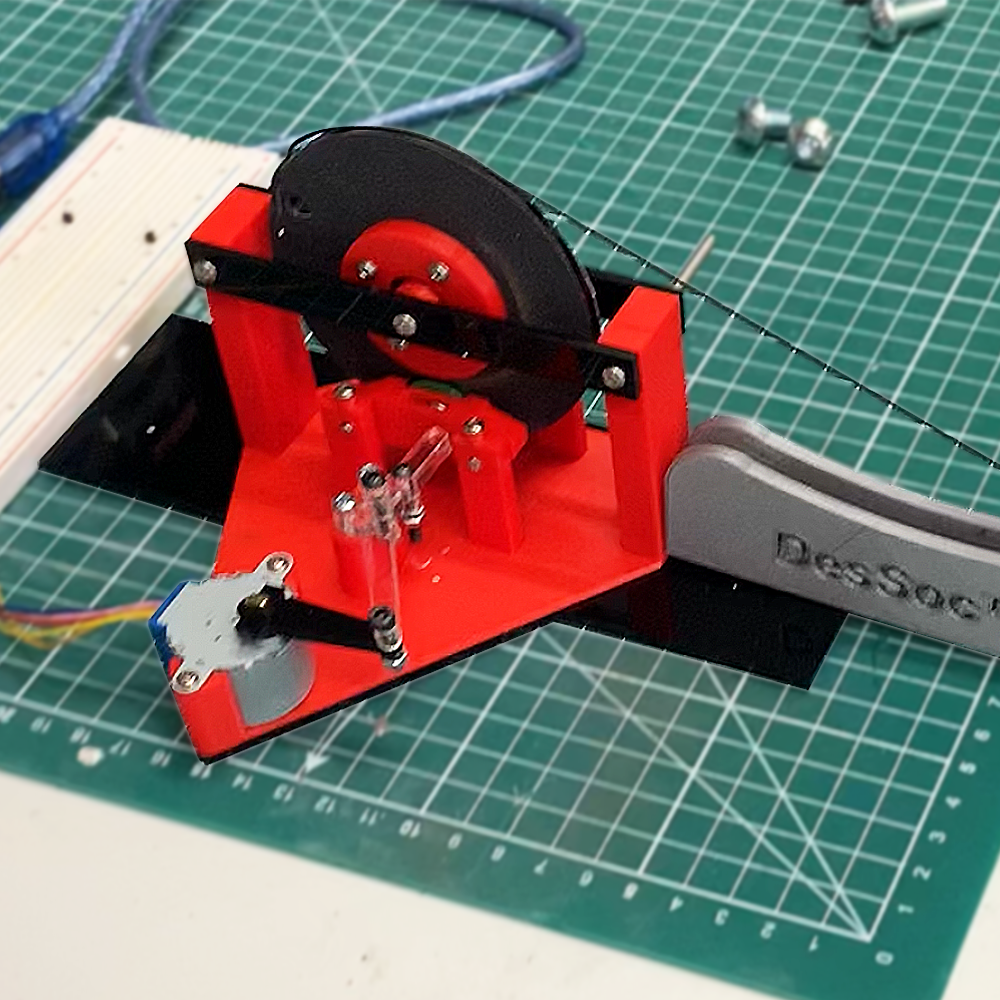
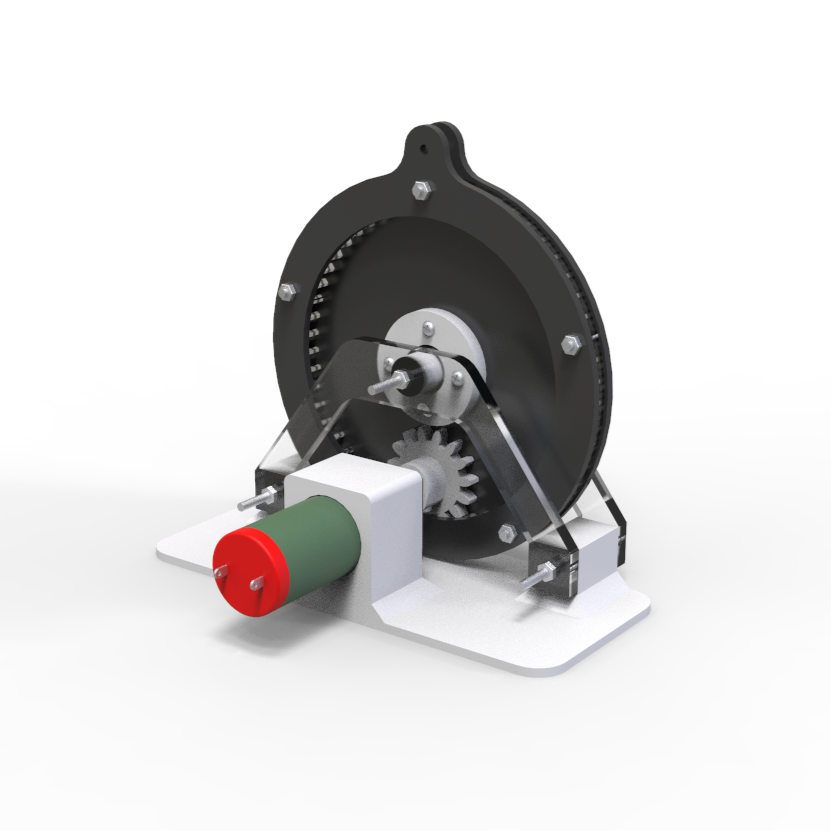
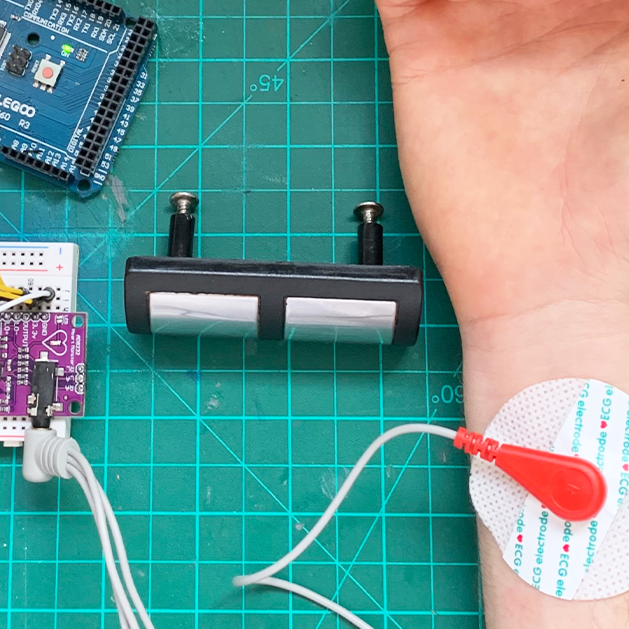
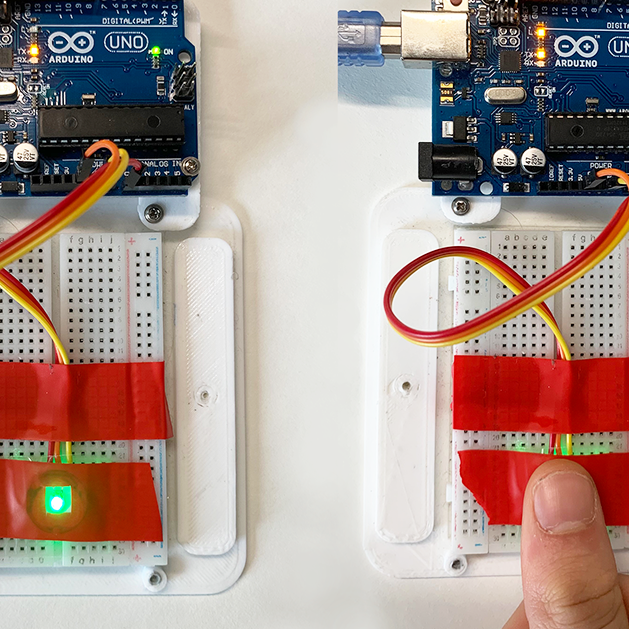
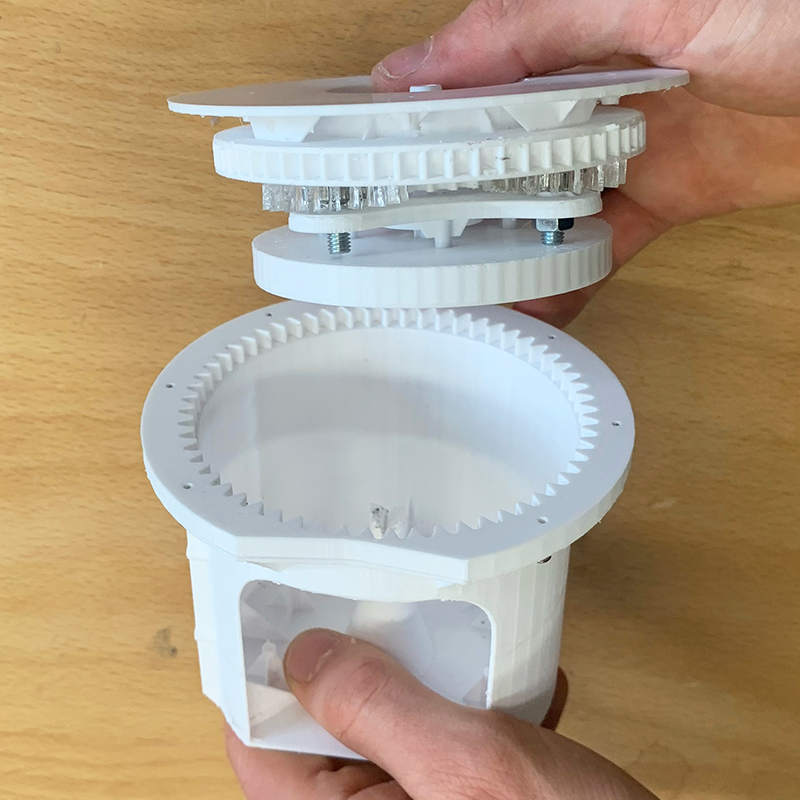
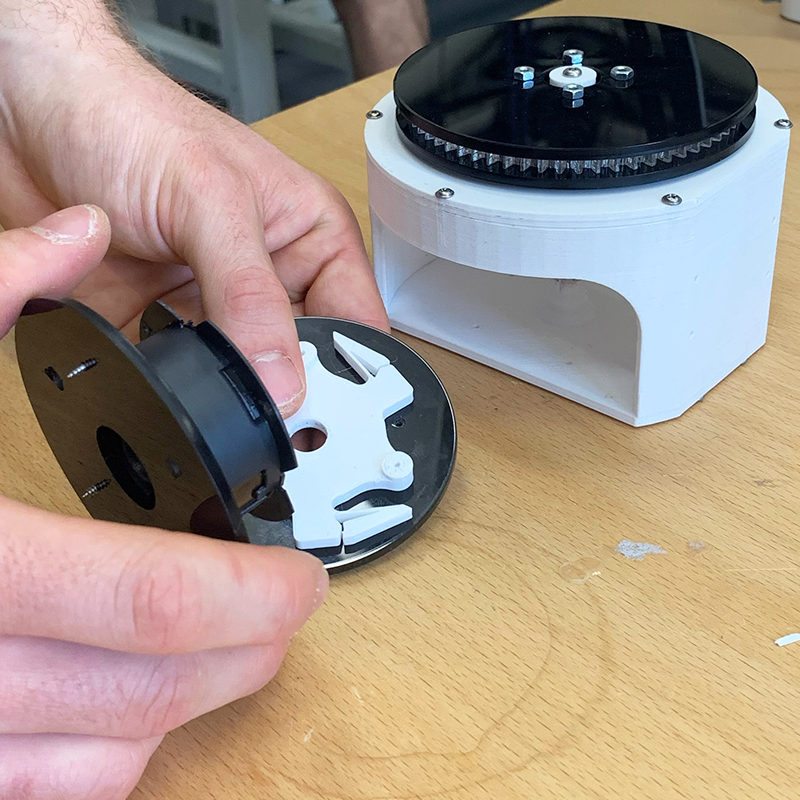
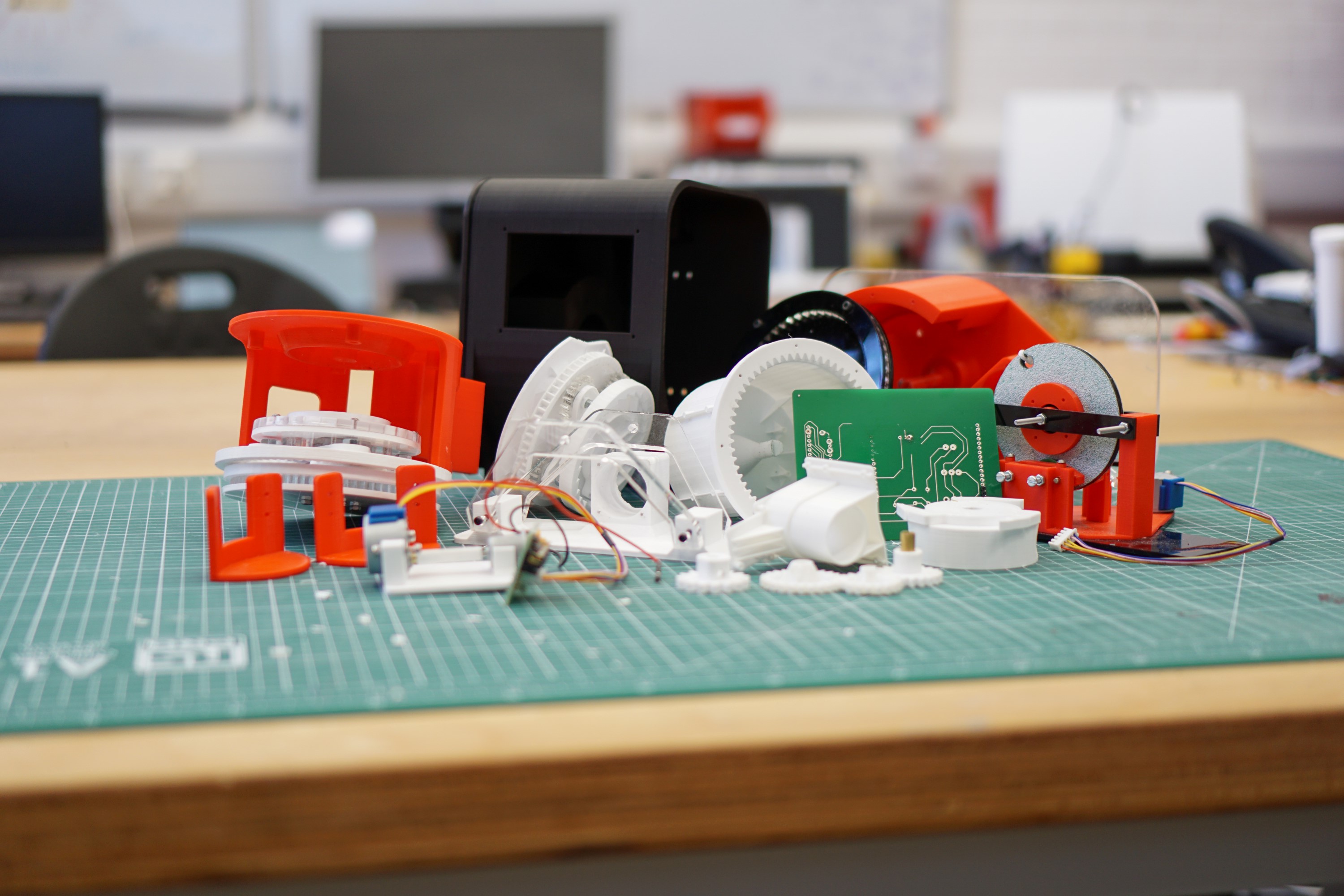 Resistance, heart rate monitoring, and core mechanism technical prototypes
Looks-like prototyping
Styrofoam and cardboard was used to develop and iterate on looks-like prototypes of the device casing and to test key aspects of the user experience points. Two foam prototypes of the casing were created, each was modified to enhance aesthetics and grip in the hand. One was taken forward to a CAD exploration with modified dimensions to meet the anthropometric needs.
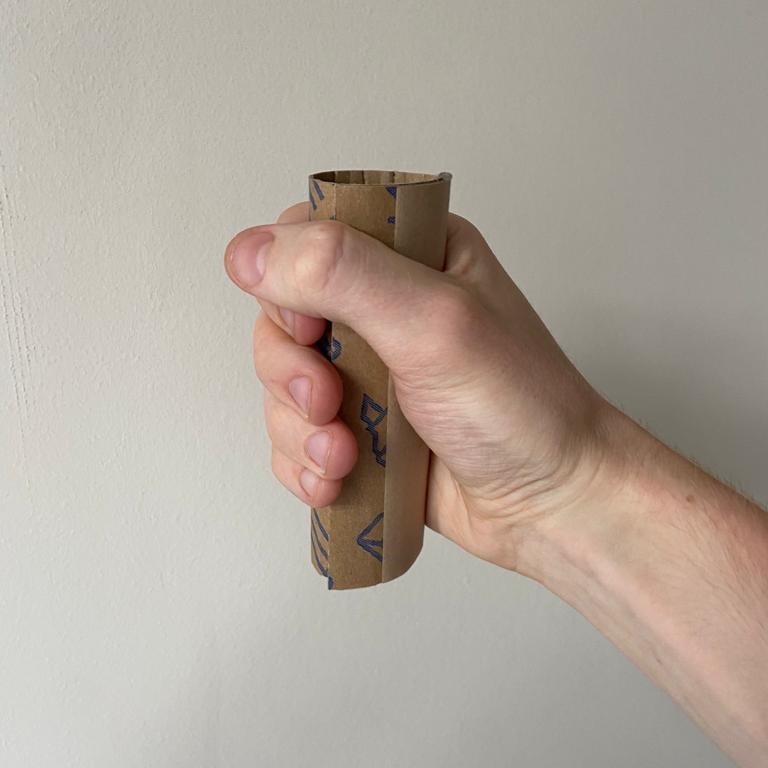
Anthropometric data was used to determine the width of the device, and the radius and width of the handle. Styrofoam was used to make prototypes of the handle, ensuring optimal ergonomics.
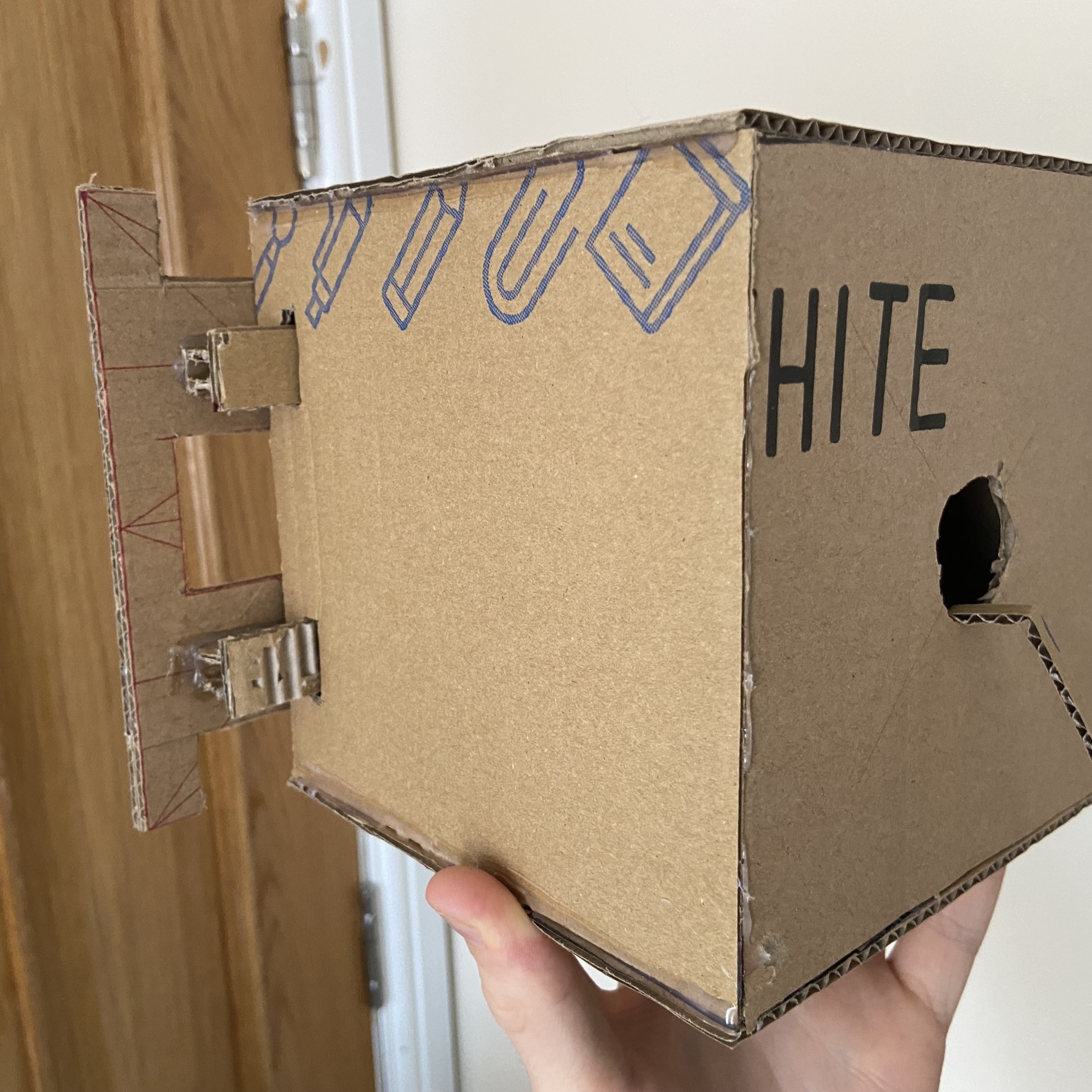
Cardboard was used to create models for different attachment mechanisms for the device. These included attachments to the door, wall, and floor – allowing Tonal Go to be used in different orientations, thus training various muscles.
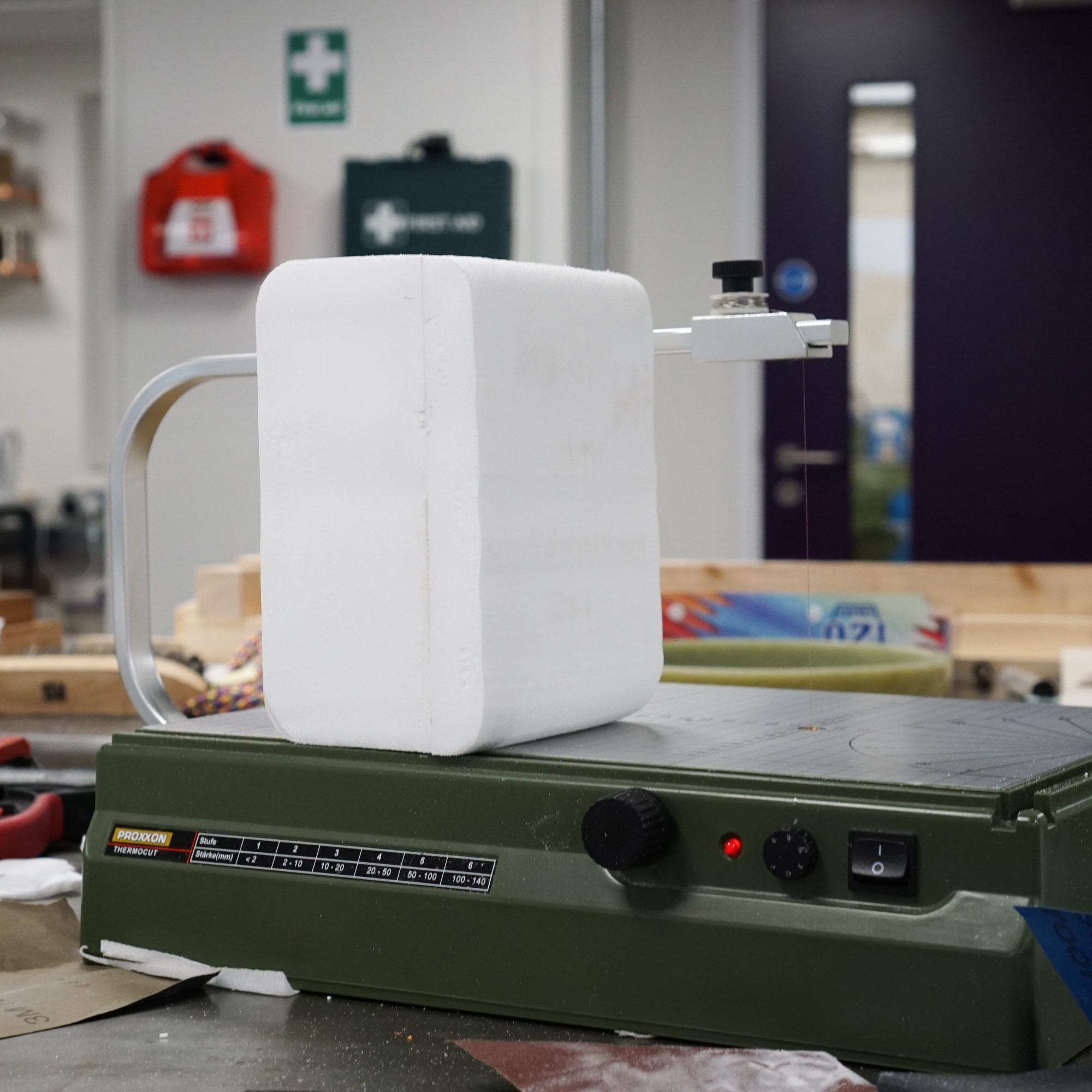
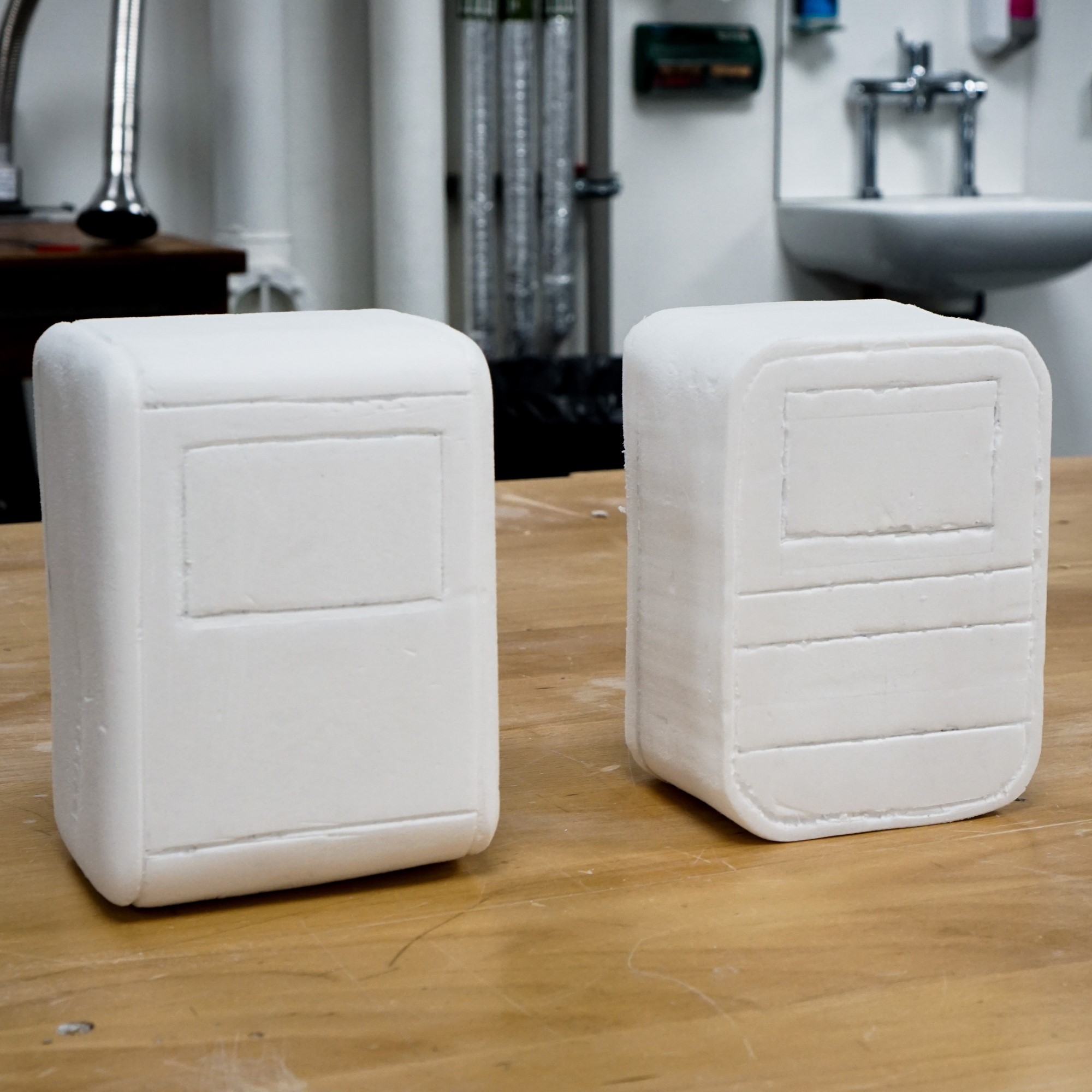
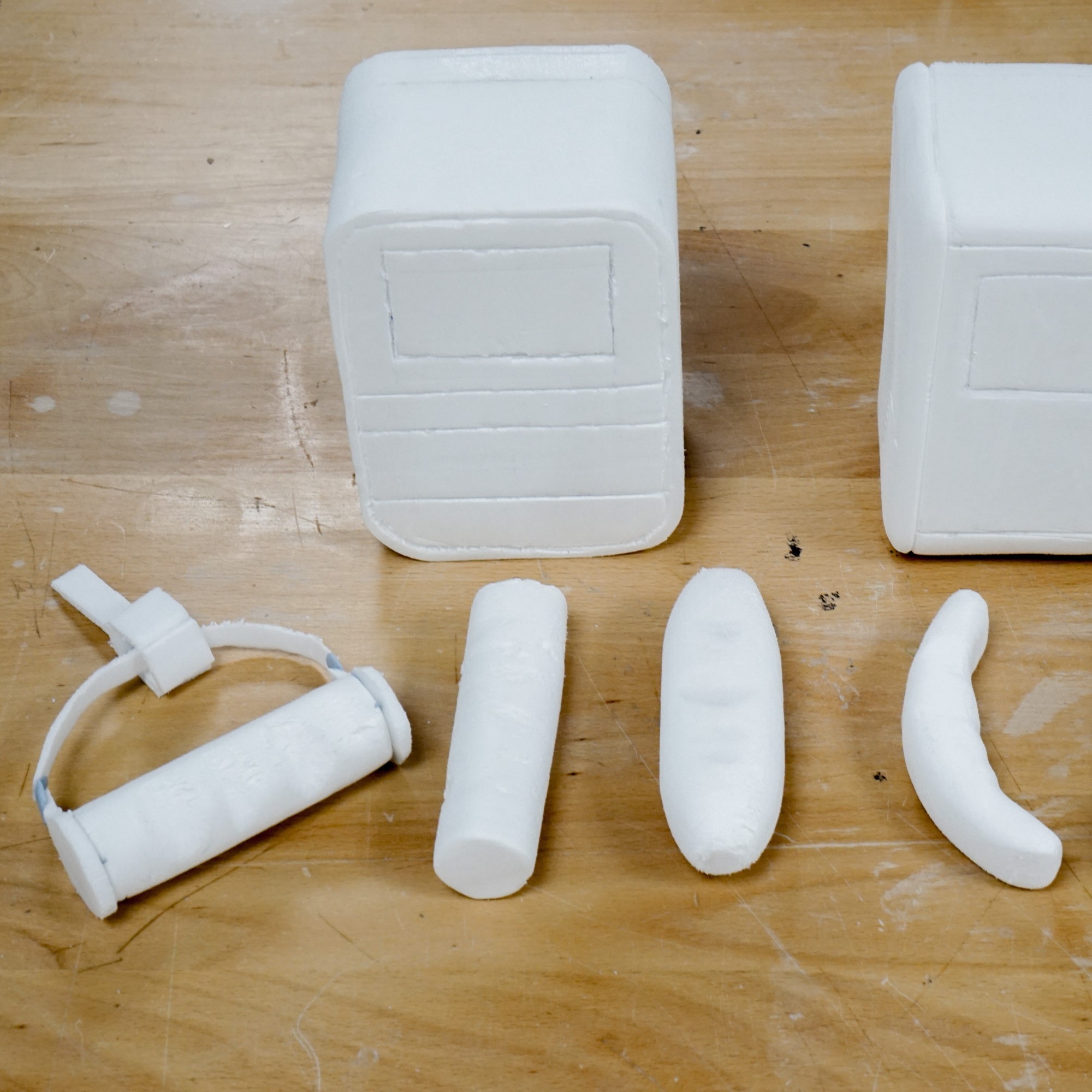
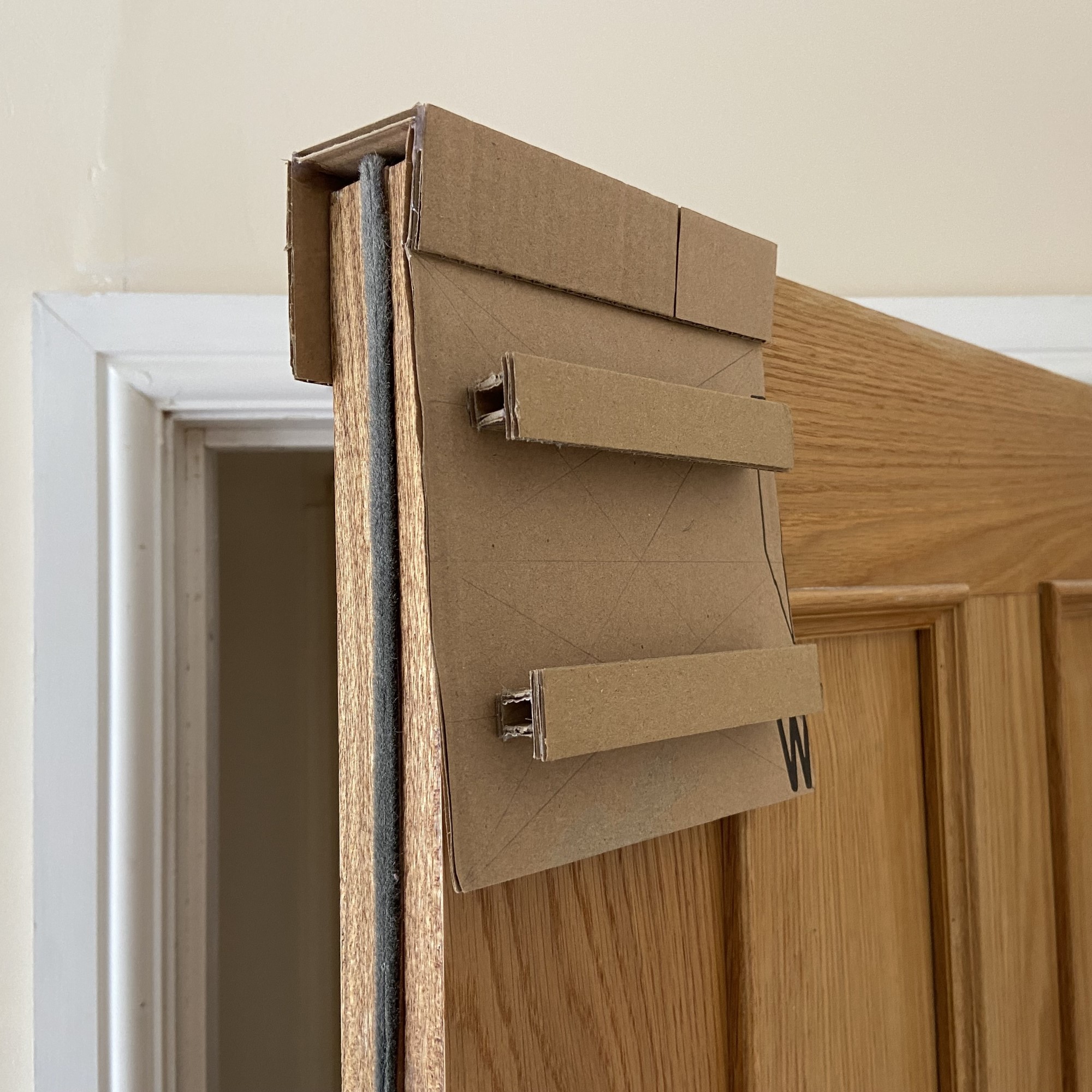
By combining the mechanisms built in technical prototyping, and the ergonomics/shape developed in looks-like prototyping, the final design was for Tonal Go was devised and a fully functional final prototype was built.
Packaging and user guide
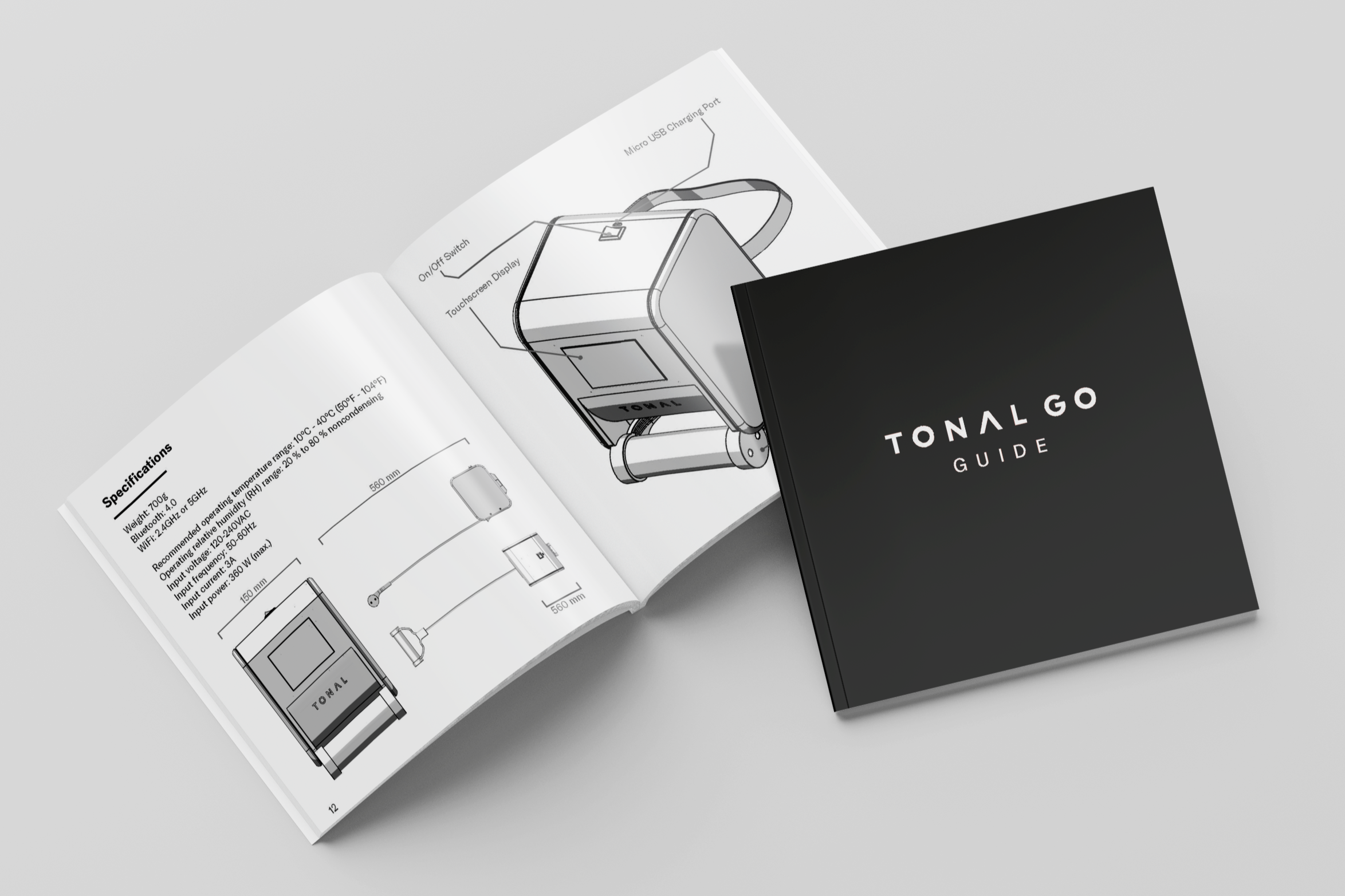
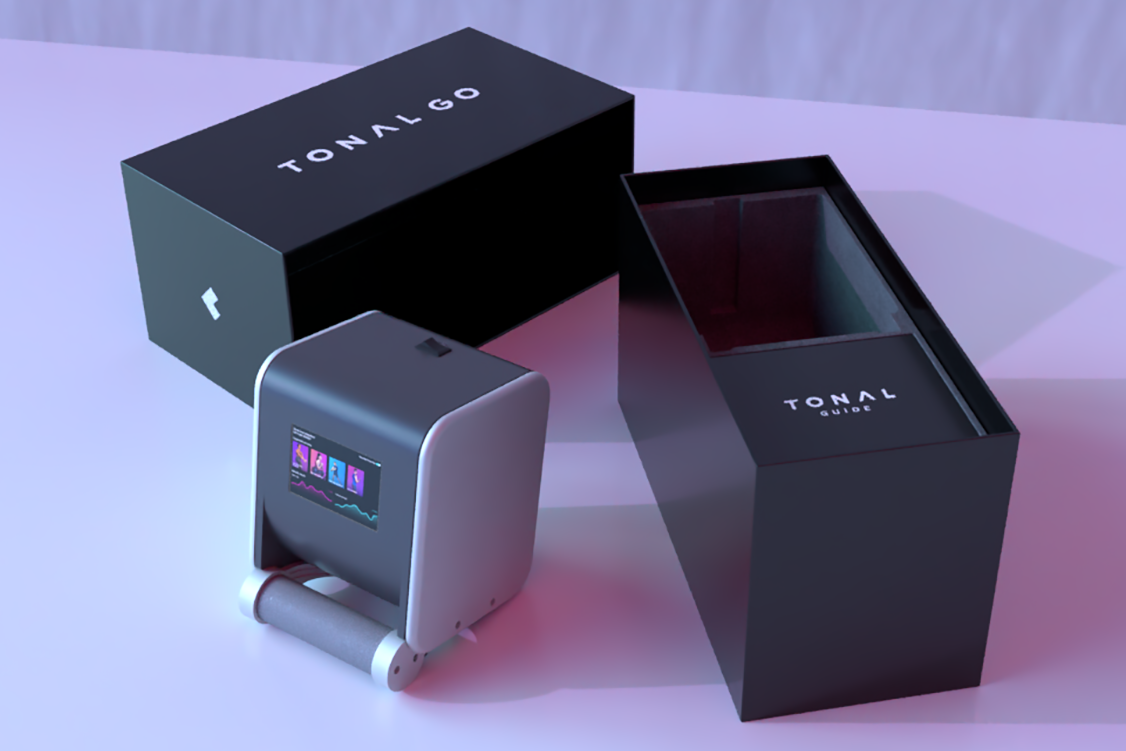
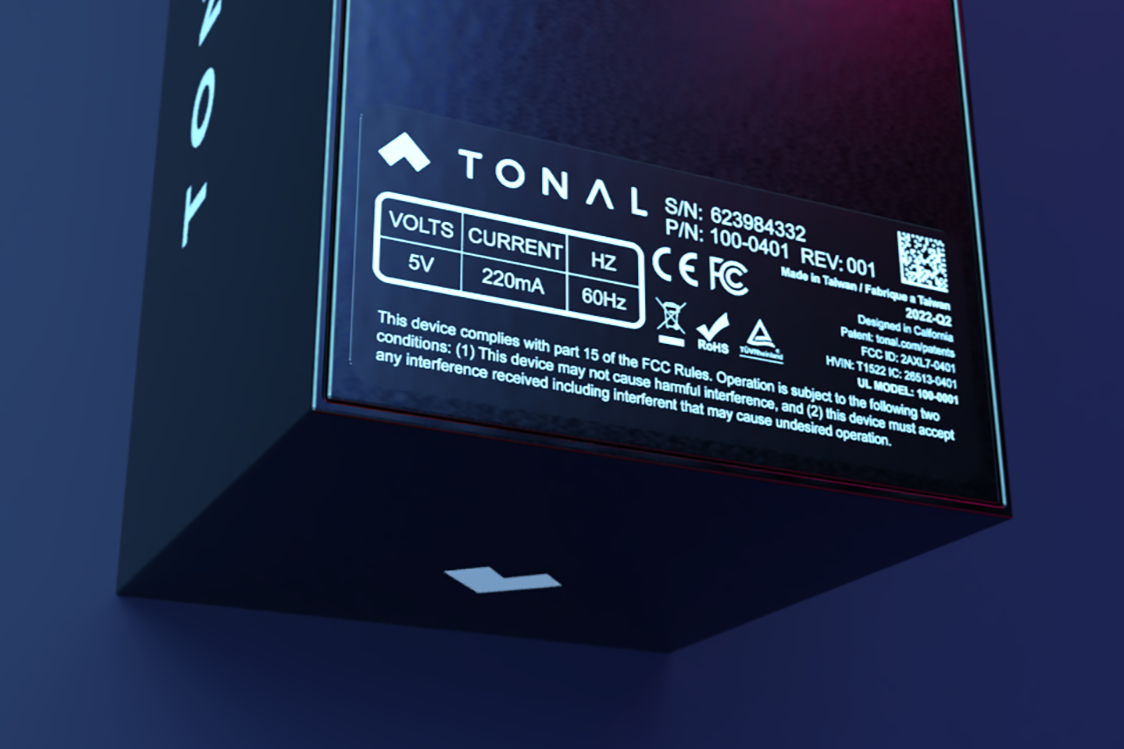
In addition to the Tonal Go device, packaging and an included user guide were developed. Packaging was designed to signal high quality and a premium feel, keep the device safe, have an intuitive unboxing experience, and display all legally required markings and information. It features a thick fiberboard box wrapped in black paper with the Tonal markings, a moulded wood pulp container tray, and accessory box.
The user guide sits at the top of tray next to the device. It provides an overview of features and required safety information.